

Business expansion rarely happens by accident. Growth requires visibility, relevance, and consistent demand. In digital marketing, keyword strategy plays a central role in achieving those outcomes and supporting long-term business scalability. The right keywords connect a business with people actively searching for solutions. Instead of guessing what audiences want, companies rely on data. A structured keyword approach transforms search intent into a measurable opportunity.
Understanding Search Intent
Every keyword reflects a reason behind a search. Some users seek information. Others compare options. Many are ready to buy. A strong keyword strategy identifies these stages clearly. Content is then aligned with each intent type. Informational keywords build awareness. Transactional keywords drive revenue. This alignment ensures marketing efforts match real customer needs.
Supporting Market Positioning

Keywords shape brand perception. The phrases a company ranks for influence how it is viewed. Targeting industry-specific terms positions a business as knowledgeable. Broader terms expand reach. Selecting keywords intentionally allows companies to control their digital presence. This strategic positioning supports long-term brand growth.
Targeting the Right Audience Segments
Not all traffic supports expansion. High-volume keywords may attract visitors with little buying intent. Strategic keyword selection focuses on relevance. Businesses identify phrases connected to their core services. Long tail keywords often reveal specific problems. Targeting these terms attracts qualified prospects. Qualified traffic converts more efficiently.
Guiding Content Development
Keyword research provides direction for content planning. Instead of producing random articles, businesses create focused material around search demand. Blog posts, landing pages, and guides align with keyword clusters. This structure prevents content gaps. It also ensures topics support broader marketing goals. Consistency strengthens visibility across search engines.
Improving Competitive Advantage
Analyzing competitor keywords reveals market opportunities. Some competitors may dominate broad terms but ignore niche phrases. These gaps present growth potential. A unique keyword approach identifies overlooked demand. Targeting these areas allows smaller businesses to compete effectively. Strategic analysis turns competition into opportunity.
Enhancing Geographic Expansion

Keyword strategy also supports regional growth. Localized search terms connect businesses with nearby customers. Expanding into new markets requires identifying regional variations. Adjusting content to reflect location-specific searches increases visibility in those areas. Geographic keyword targeting supports scalable expansion without physical presence.
Aligning Keywords With Sales Funnel Stages
Business expansion depends on guiding prospects through the funnel. Early-stage keywords introduce solutions. Middle stage keywords compare alternatives. Final stage keywords indicate purchase readiness. Mapping keywords to each stage creates a cohesive journey. This structured approach ensures prospects receive relevant information at every step.
Measuring Performance and Refining Strategy
Effective keyword strategies rely on performance tracking. Metrics reveal which terms drive traffic and conversions. Underperforming keywords are adjusted or replaced. Continuous monitoring strengthens results over time. This process ensures resources focus on high-impact areas. Adaptation keeps growth sustainable in changing markets.
Keyword strategy fuels business expansion by connecting search intent with targeted content. It improves audience quality, strengthens positioning, and supports geographic growth. Structured keyword planning guides content creation and competitive analysis. Continuous refinement maintains momentum. When aligned with clear objectives, keyword strategy becomes a powerful driver of scalable business development.…




 The headline of your landing page is the first thing users see after clicking your ad, and it plays a vital role in retaining their attention. Ensure that your headline is clear, relevant, and compelling, aligning with the promise made in your ad. A strong headline should immediately convey the value proposition and entice users to stay on the page.
 A strong call-to-action (CTA) is


 Google Analytics is known to be the holy grail of website data. It provides invaluable insights into your site’s performance and more. With Google Analytics, you can also track key metrics in real time. This data allows you to make informed decisions about your marketing strategy and optimize for better results. One of the most powerful features of Google Analytics is its ability to segment data.
 Looking to take your content strategy to the next level? Look no further than BuzzSumo. This powerful tool allows marketers to analyze trending topics, discover popular content, and identify key influencers in their industry. With BuzzSumo, you can easily track how your competitors are performing online and gain valuable insights into what resonates with your target audience.
 Did you know that if you can optimize your website and online presence for the geographical area of your business, ensuring people see your website when looking something in their area, you will have an ability to connect with potential customers? One key aspect of local SEO is ensuring that your business information is consistent across all online platforms, such as Google My Business, Yelp, and local directories.
 Now let’s move on to link building as this is the core of any SEO strategy. It’s all about acquiring high-quality, backlinks from authorities, reputable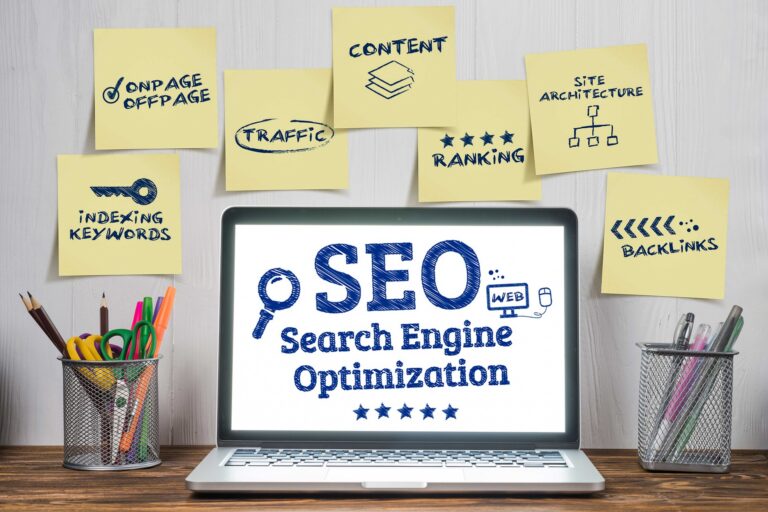




 To optimize your videos, start by focusing on keyword

 Rankability and clickability are the final pieces of the technical SEO puzzle that take place at the top of the pyramid. While crawlability, indexability, and accessibility focus on ensuring that search engines can access your website’s content, rankability takes it a step further by optimizing that content for search engine rankings. One key aspect of rankability is keyword research. By identifying relevant keywords for your industry or niche, you can optimize your website’s content to attract more targeted traffic from search engines. This involves using those keywords in strategic places like page titles, meta descriptions, headers, and throughout the body text.
 Spotify is a prime example of a brand that took its original offering and expanded it to become something more. Originally, Spotify was simply a free music app where users could stream their favorite songs with ads in between them. However, the company soon realized they needed to evolve to stay competitive. They began by creating curated playlists for different moods, genres, and activities, such as workout or party music.
 Gucci’s repositioning strategy is one of the most successful in fashion history. The brand was once known for its sexy and sleek designs, but it has now transformed into a more share-worthy and progressive brand that appeals to younger audiences. One of Gucci’s major transformations occurred with the appointment of Alessandro Michele as creative director.
 Setting realistic goals and strategies is crucial for any successful brand positioning. Aiming too high without considering the practicalities of your market can lead to disappointment and ultimately harm your branding efforts. It’s important to consider both short-term and long-term objectives when developing a strategy.
 When it comes to brand positioning, authenticity is key. But in a smaller niche, authenticity takes on an even greater importance. Your audience is likely more discerning and knowledgeable about your industry, meaning they can spot insincerity from a mile away. To establish yourself as an authentic player in your niche, you need to be true to your values and mission. Don’t try to be something you’re not or cater to every possible customer demographic – instead, focus on what differentiates you from the competition. Let’s wrap up. A thriving brand positioning requires a lot of work and dedication. It is not just about creating an eye-catching logo or slogan and hoping for the best. These key strategies must be followed to ensure you’re moving forward in the best direction toward
 Creating quality content is one of the most important aspects of optimizing a web page for increased traffic. Content should be engaging and well-written, as this will draw people in and keep them coming back to the website. Additionally, make sure that your content is relevant to what you are trying to promote on your site.
 Analyzing the data you collect from optimizing your web page is important. This will allow you to fine-tune your strategies and ensure that your efforts are paying off. Additionally, monitoring changes in traffic can help you identify potential problems before they become serious issues By following the tips outlined in this article, you can create an optimized web page that will draw more visitors to your

 One won’t achieve great results unless they are tracking the performance of their ad. This requires setting up reliable analytics tools that will measure views, clicks, conversions, and other key metrics. Paying attention to metrics like CTR and CPC will also make it easier to understand the effectiveness of your ads. Setting up A/B testing also helps you constantly optimize your campaigns and identify areas for improvement. With the right setup and tracking methods in place, you’ll be able to make data-driven decisions that will ensure a healthy ROI.
 When targeting customers, segmenting your audience is key. Identifying the demographic and psychographic characteristics of your ideal customer and creating distinct campaigns that attract them in different ways will help you maximize the ROI of your Instagram ads.
 Influencers are an effective way of increasing brand visibility and sales. By partnering with influencers, brands can expand their reach and tap into new networks of people that may be interested in what they have to offer. Okay, we all know that for sure. But what about the hacks? Well, when working with influencers, there are a few tricks you can use to optimize your campaigns. For example, if you’re launching a new product or campaign, the majority of your followers will likely be unaware of it. To make sure everyone knows about the launch, partner with multiple influencers who can help spread the word. This will give you the reach and visibility you need to make your campaign successful.

 The last black-hat SEO trick worth mentioning is the battlefield bypass. This might not be best suited for anyone new to the field. But this is a tactic used by businesses to get in front of their competitors by targeting keywords they haven’t thought of or likely don’t have time to target but got some big brains. It’s basically a way for you to sneak ahead of your competition and gain visibility, but it can be dangerous if done improperly. Make sure to do your research before attempting anything like this.


 Automated emails are another tremendous lead-nurturing technique. You can set up automated emails to be sent out at specific times or when certain triggers are activated. Automated emails allow you to stay in touch with potential customers even when you don’t have the time to reach out manually. They also help create consistency and improve your brand recognition. For instance, you can send emails when prospects fill out forms on your website or take specific actions.


 One of the best things about email marketing is that it is effortless to get started. You don’t need any special skills or knowledge. All you need is a list of email addresses, and you can start sending out your messages. in addition, many software programs and services can help you automate your email marketing, making it even easier.

 The third way to improve your SEO performance is to target the right keywords. Keywords are the words and phrases people use when searching for something on a search engine. If you want to get more traffic from organic search, you need to make sure you are targeting the right keywords.
 The fourth way to improve your SEO performance is to make necessary adjustments. Once you have implemented the first three ways, you need to monitor your SEO performance and make necessary adjustments. This may include adding new content, changing your keyword targeting, or anything else that may be necessary to improve your SEO performance.
 The first tip in any SEO strategy is to perform keyword research. This will help you determine which keywords are most relevant to your business and which are used by your competitors. You can use several tools to perform keyword research. Some are free while others need to be bought.
 The fourth and final tip is to work on your website’s user experience. This includes ensuring that your content is easy to read and that your website is easy to navigate. You can also improve your user experience by adding fresh, relevant, and engaging content on a regular basis. Many businesses make the mistake of thinking that SEO is all about keywords and backlinks.
 The first and most important SEO strategy is to use relevant keywords. These are the words or phrases that customers use when they are looking for products or services like yours. If you want your website to be visible in the search results, you need to ensure that you use these keywords throughout your site.
 The third and final SEO strategy that we will discuss is link building. This is the process of getting other websites to link to yours. This is important because it helps improve your website’s authority and also makes it easier for people to find your site. The best way to do this is to create high-quality content that people will want to share.
 In recent years, TikTok and Instagram Reels have become extremely popular. They are short videos that are usually under a minute long. These videos are perfect for businesses because they can be used to promote products, services, or even just the company itself.
 User intent is what a person is looking for when they perform a search on Google. There are four main types of user intent: navigational, informational, commercial, and transactional. It is essential to understand user intent because it can help you create better SEO campaigns.
 Another critical question to ask yourself before investing in digital marketing is who your target audience is. Once you know who you’re trying to reach, you can tailor your digital marketing campaign to appeal to that audience. For example, if you’re trying to reach millennials, you might want to invest in social media marketing.
 Before investing in digital marketing, you need to know your goals. What do you want to achieve with your digital marketing campaign? Do you want to boost brand awareness? Drive traffic to your website? Increase sales? Once you know your goals, you can start planning your digital marketing strategy.
 When you are looking for a digital marketing agency, you want to find one that specializes in the industry that you are in. This is important because they will be familiar with the challenges and opportunities specific to your industry. They will also have a network of contacts that can be helpful to you.
 You should consider this when choosing a digital marketing agency is their pricing. You need to make sure that the agency you choose is within your budget. There are a lot of agencies out there that charge a lot of money, but they may not be the best option for you.